I use AI to build websites faster — here's what nobody tells you
AI is helping me deliver web projects in a week instead of a month. But it's not the magic wand people think it is — and without real engineering knowledge, the output is garbage.

Lloyd Owen
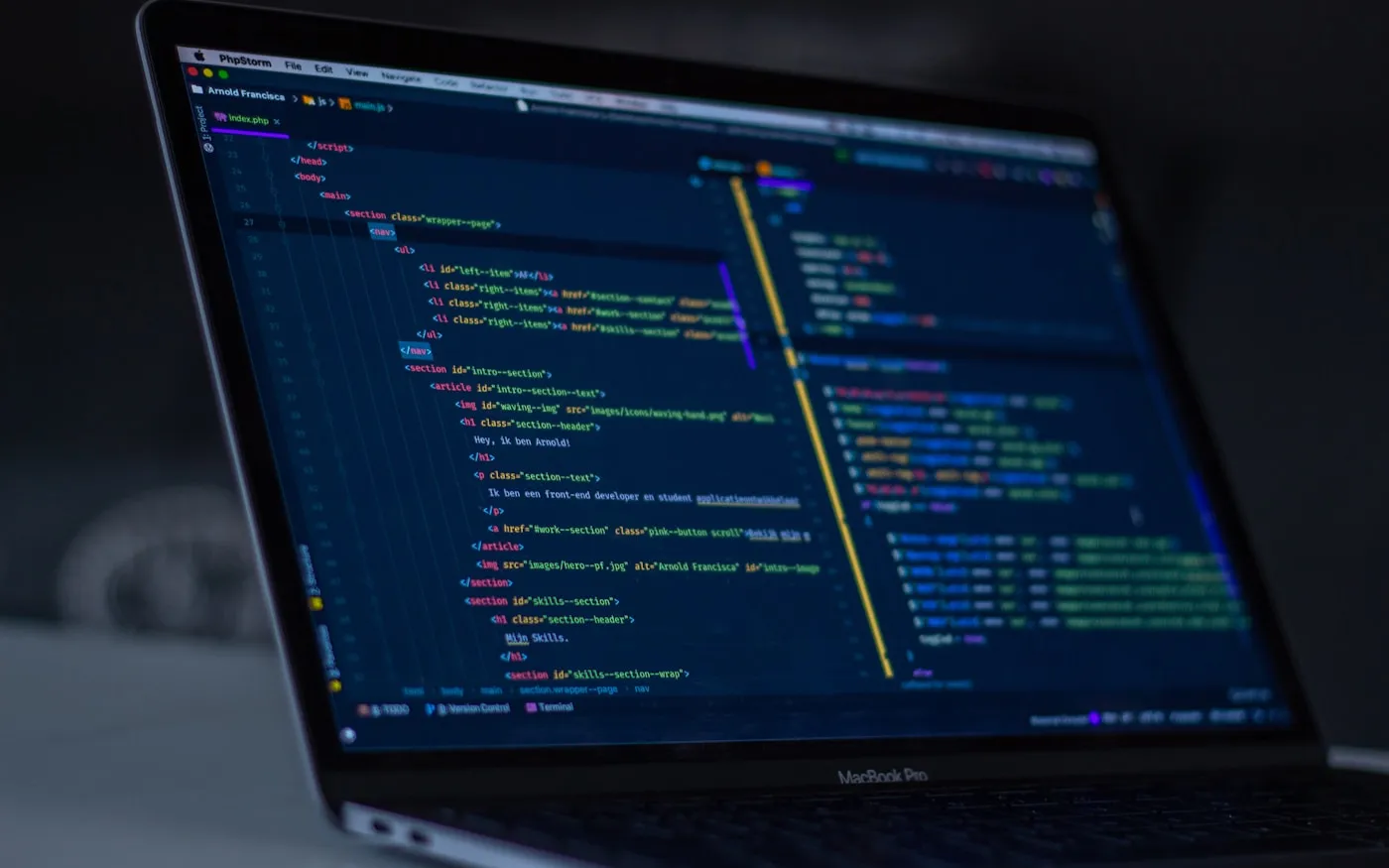
I'm going to be honest about something that most people in my industry won't say out loud: AI has dramatically changed how fast I deliver projects. Things that used to take me a month are now taking a week. And I don't think that makes me lazy — I think it makes me dangerous.
But before you assume this is another breathless "AI is amazing" post, stick around. Because the full picture is a lot more nuanced than the headlines suggest.
How I actually use it
I don't hand AI the keys and walk away. That's how you end up with a codebase that looks like it was written by someone who read the first chapter of three different tutorials and gave up on all of them.
What I do is guide it — very narrowly. I use AI to hyperfocus on specific elements that would usually eat up days of my time. Repetitive component scaffolding. Boilerplate that I've written a hundred times before. Translating a design into markup. Wiring up API integrations where the pattern is well-established.
The boring stuff. The stuff that doesn't need my creative brain — it needs my fingers to type faster. AI handles that brilliantly. And by offloading those hours, I can spend my actual thinking time on the things that matter: architecture, user experience, business logic, performance.
It still does stupid things
Let me be clear: AI is not a senior developer. It's not even a reliable junior. It's more like an incredibly fast intern who occasionally produces something brilliant and occasionally produces something that would take your production server down in minutes.
I've watched it confidently generate code that looks perfectly reasonable on the surface but has subtle architectural flaws that would haunt you six months down the line. It duplicates logic instead of abstracting it. It picks the wrong data-fetching strategy. It ignores edge cases that any experienced developer would catch instinctively.
The difference is that I catch those things. I've spent over a decade building web applications, and that experience is what turns AI from a liability into leverage. I know what good architecture looks like. I know when something will scale and when it'll fall over. AI doesn't know any of that — it just pattern-matches against training data and hopes for the best.
Can anyone build a website with AI now?
Technically, yes. And this is where the conversation gets interesting.
There are people right now — with zero engineering background — using AI tools to generate entire websites and applications. And some of them genuinely work. They load, the buttons do things, it looks reasonable. So the question becomes: do you still need a developer?
The answer is the same as it's always been when someone asks "can I do this myself?" — you can, but should you? You can do your own plumbing too. You might even get water to come out of the tap. But when the pipes burst at 2am because something wasn't fitted properly, you'll wish you'd called someone who understood the system.
What AI-generated code from a non-developer typically lacks:
- Sensible architecture that doesn't collapse when requirements change
- Security considerations — authentication, input validation, data handling
- Performance optimisation — lazy loading, caching strategies, efficient queries
- Accessibility and SEO fundamentals
- Maintainability — the code needs to make sense to the next person who touches it
- Error handling that doesn't just hide problems
These aren't nice-to-haves. They're the difference between a toy and a product. And they come from years of building things, breaking things, and learning from the wreckage. AI can't shortcut that.
The real competitive advantage
Here's what I think is actually happening: AI is widening the gap between good engineers and everyone else. If you know what you're doing, AI makes you significantly faster without sacrificing quality. If you don't know what you're doing, AI lets you produce more bad code in less time.
A decade of experience means I know what to ask for, how to validate what comes back, and when to throw it away and write something myself. I understand the full stack — from the database schema to the deployment pipeline — so I can spot when AI is making assumptions that will cause problems later.
That's the bit the hype cycle glosses over. AI is a force multiplier, not a replacement. And the value of the multiplier depends entirely on what it's multiplying.
What this means for my clients
For the businesses I work with, the practical impact is straightforward: they get higher quality work, delivered faster, at a price that reflects the efficiency. A simple web project that would have taken a month of billable hours now takes a week — because I'm not spending four days on boilerplate and repetitive implementation.
But the thinking, the planning, the architecture, the decisions about what to build and how to build it — that's still me. That's still a human with ten years of context about what works and what doesn't. AI hasn't replaced that, and I don't see it replacing it anytime soon.
If you're looking for someone who uses every tool available — including AI — to deliver real results without cutting corners, get in touch. I'd rather show you what this looks like in practice than try to convince you in a blog post.